
Is Free Subway Travel for Seniors Really a Loss?
On the subway operator’s books, a free ride is a cost. On a hospital’s books, a market’s books or an elderly courier’s household budget, the same trip may look very different.
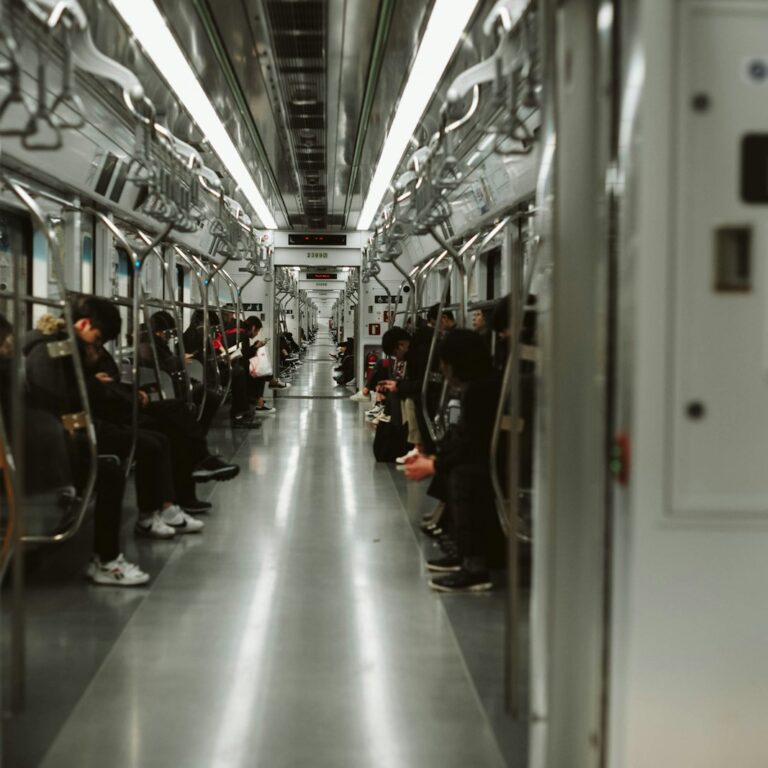
On the subway operator’s books, a free ride is a cost. On a hospital’s books, a market’s books or an elderly courier’s household budget, the same trip may look very different.
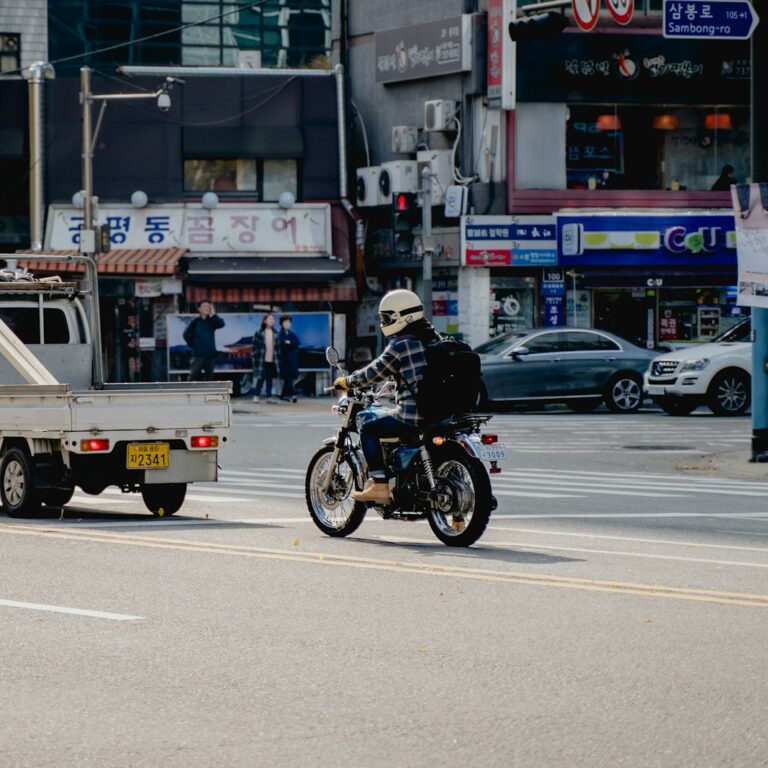
Long before food-delivery platforms, a phone call could send jjajangmyeon across town on a motorbike. Delivery was never free. The price was simply hidden inside a much simpler business.
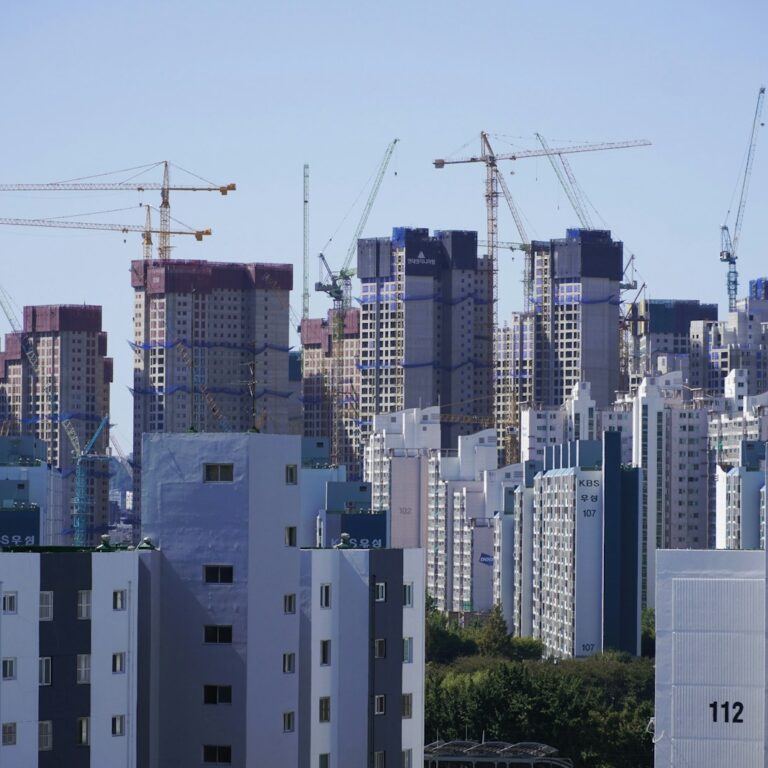
Banpo Jugong once sounded perfectly adequate. Today a Korean apartment may need a developer brand, a luxury sub-brand, an English noun, a river reference and enough syllables to make a delivery driver reconsider his career.
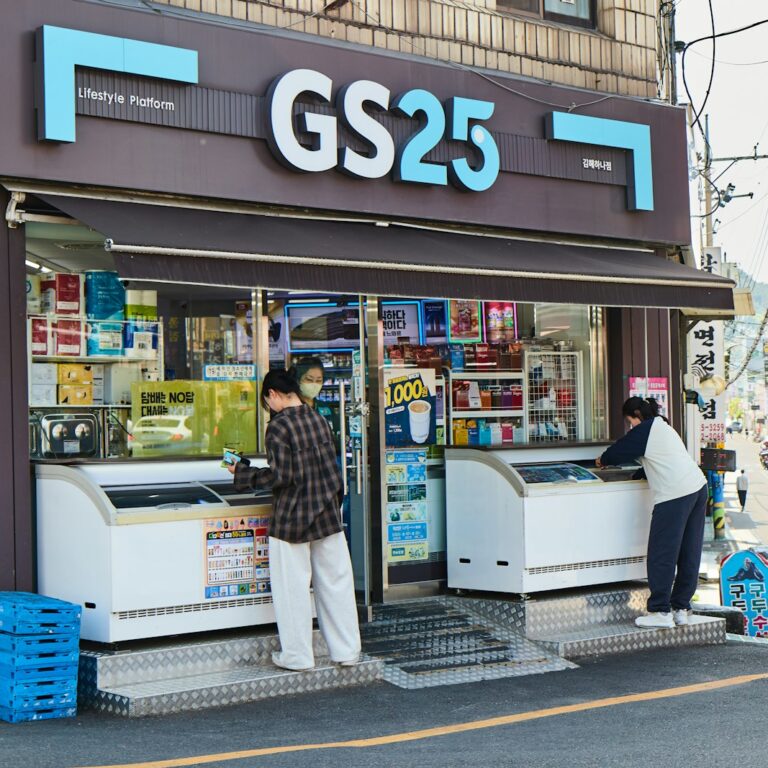
Japan perfected the modern konbini. Korea studied the model carefully, then somehow ended up with an even denser network — and a generation of retirees learning retail the expensive way.
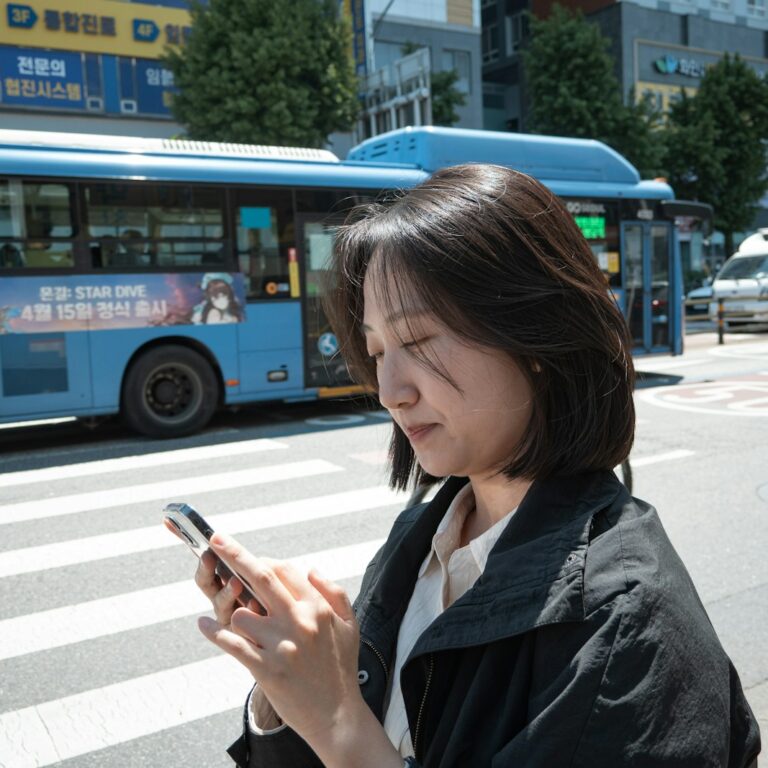
One of the world’s most connected countries can feel strangely closed if you do not have the right SIM card. Korea’s digital life is wonderfully efficient once the system knows exactly who you are.
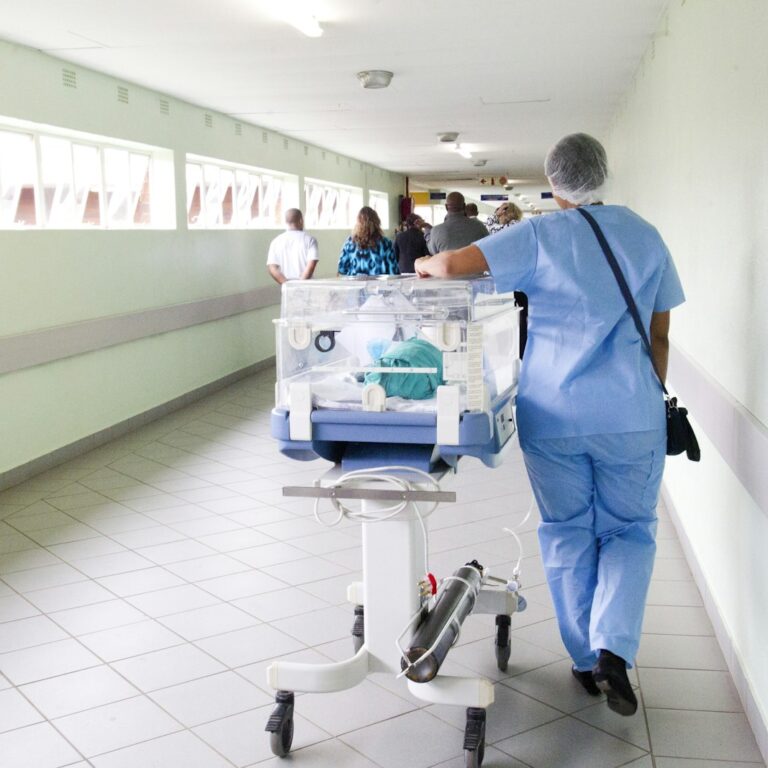
Cancer copays, childbirth benefits, dementia care, American medical bills and Western wait lists: how Korean health insurance works—and where it falls short.
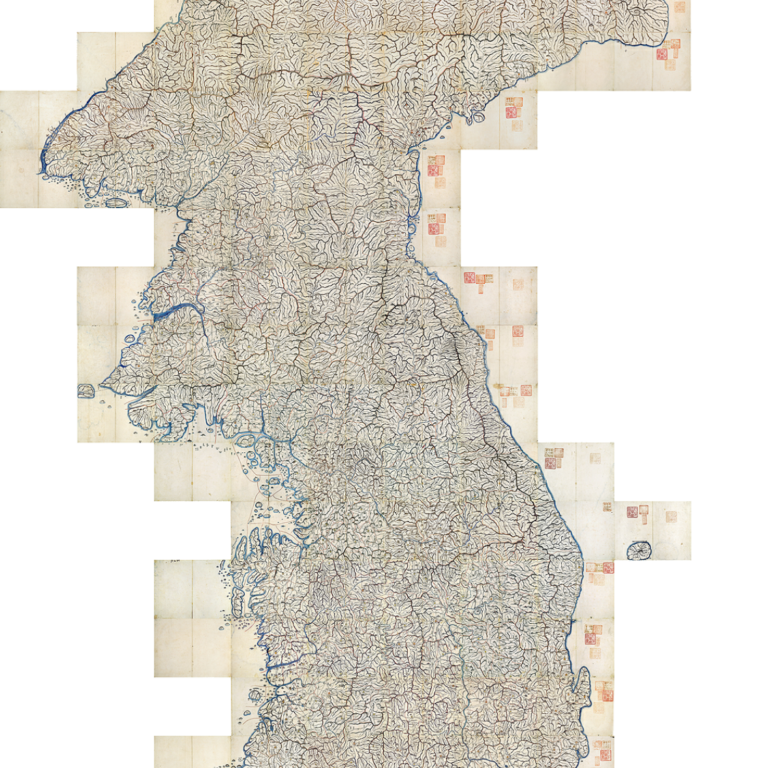
Google spent nearly twenty years asking South Korea for its detailed map data, and kept being refused. The story runs from a 6.7-metre woodblock map printed in 1861 to a 2026 government decision — and it was never really about roads.
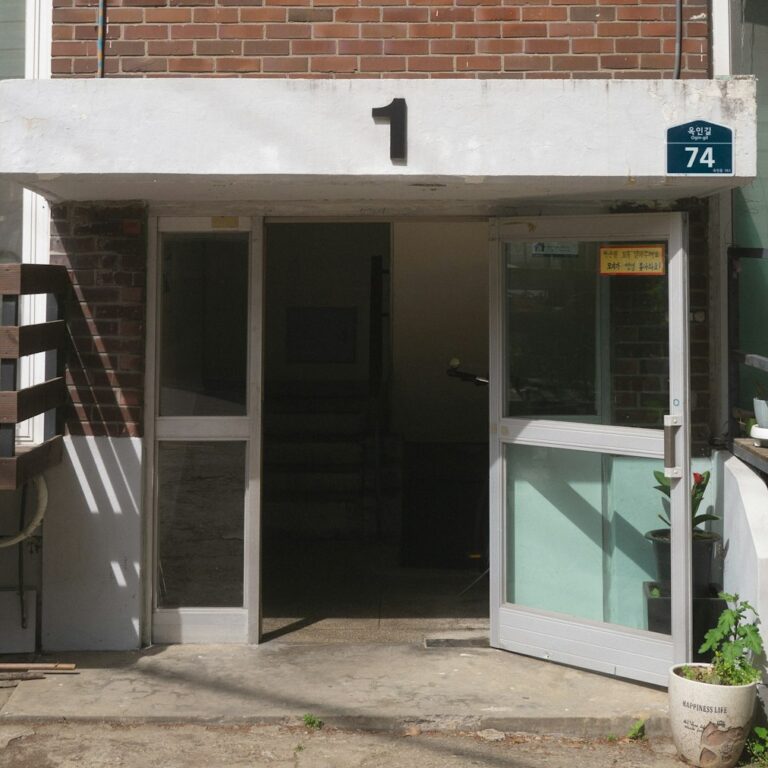
Jeonse turned Korean tenants into their landlords’ bank — a housing-finance system that worked brilliantly until it didn’t. Why more than 40,000 people became jeonse-fraud victims, and what it reveals about the global housing crisis.
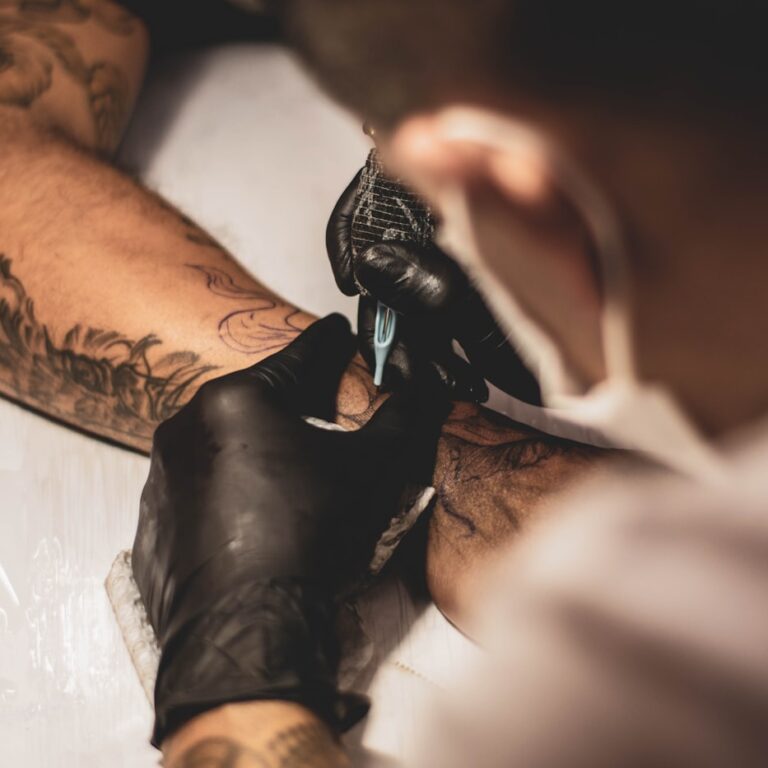
A tattoo once got a Korean man sent to a labor camp. In May 2026 the Supreme Court finally ruled tattooing by non-doctors legal. The 46-year journey from criminal mark to K-pop fashion, and why Korea took so long to catch up.
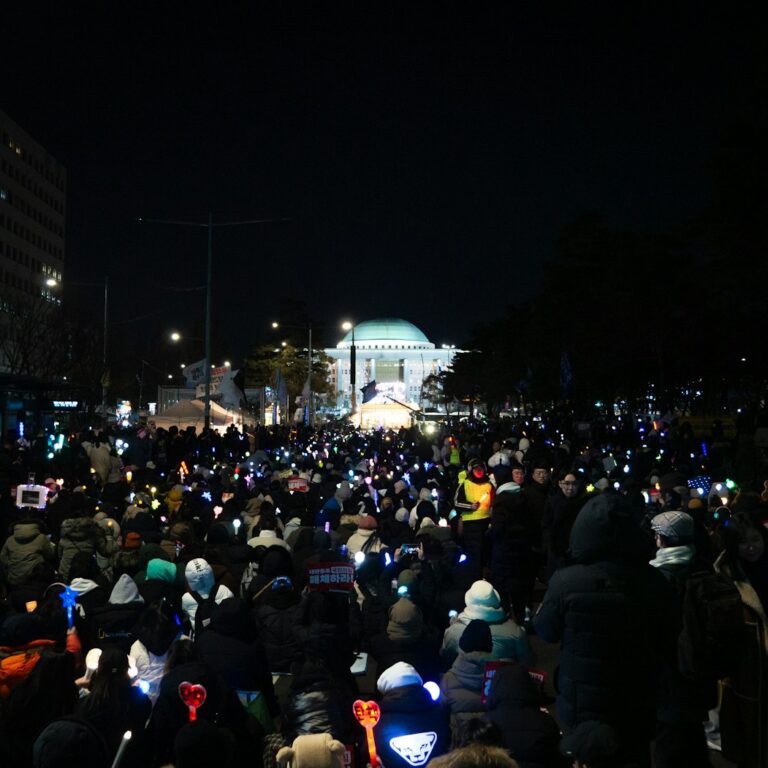
Every modern Korean president’s story ends badly, and every generation keeps returning to the street — armed, most recently, with K-pop light sticks instead of Molotov cocktails. What Korea’s compressed, noisy 39-year-old democracy reveals about itself.