
The Slow Death of Baekban, Korea’s Everyday Feast
Baekban was never “cheap food.” It was a surprisingly luxurious meal made possible by cheap ingredients, cheap labor and a culture that treated extra side dishes as hospitality rather than inventory.
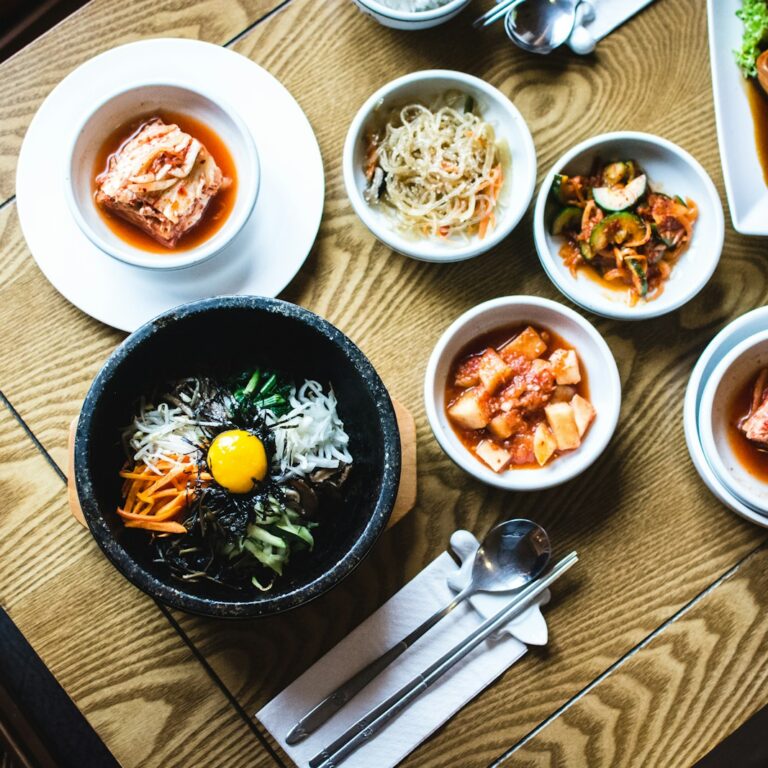
Baekban was never “cheap food.” It was a surprisingly luxurious meal made possible by cheap ingredients, cheap labor and a culture that treated extra side dishes as hospitality rather than inventory.
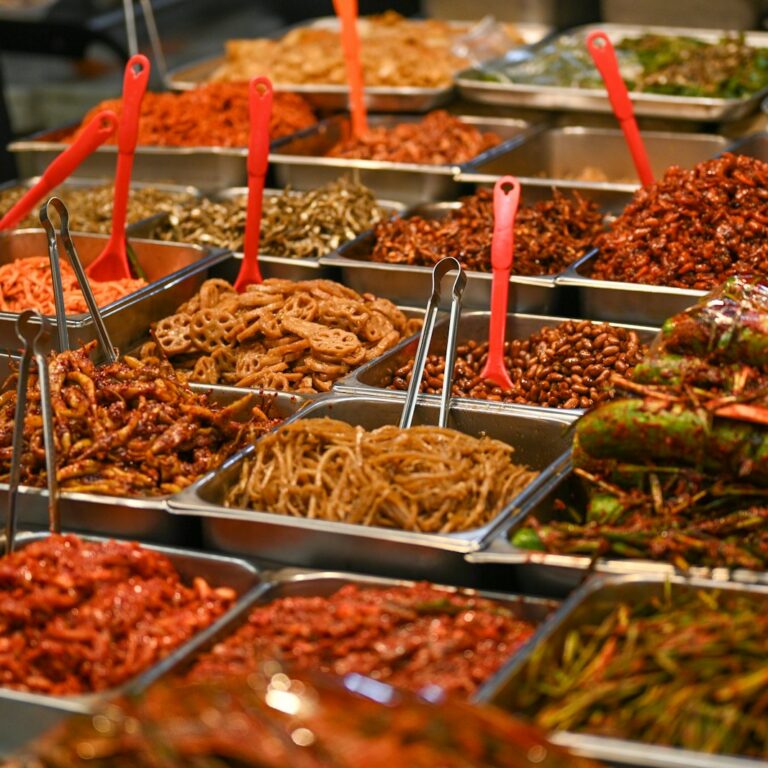
From a bottle of makgeolli served with blood soup and four side dishes to seasonal greens, refills and food waste: why banchan exists to complete rice.
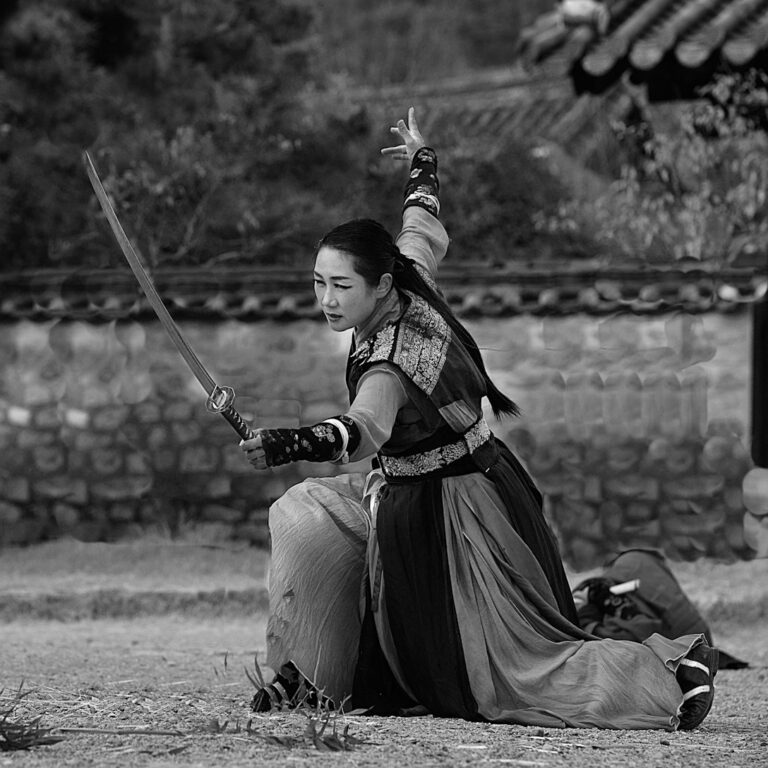
Korean shamanism is cool again on screen, from K-dramas to KPop Demon Hunters. But when a real fortune teller got too close to presidential power, the country turned furious. Why Korea can love shamanism and fear it at the same time.
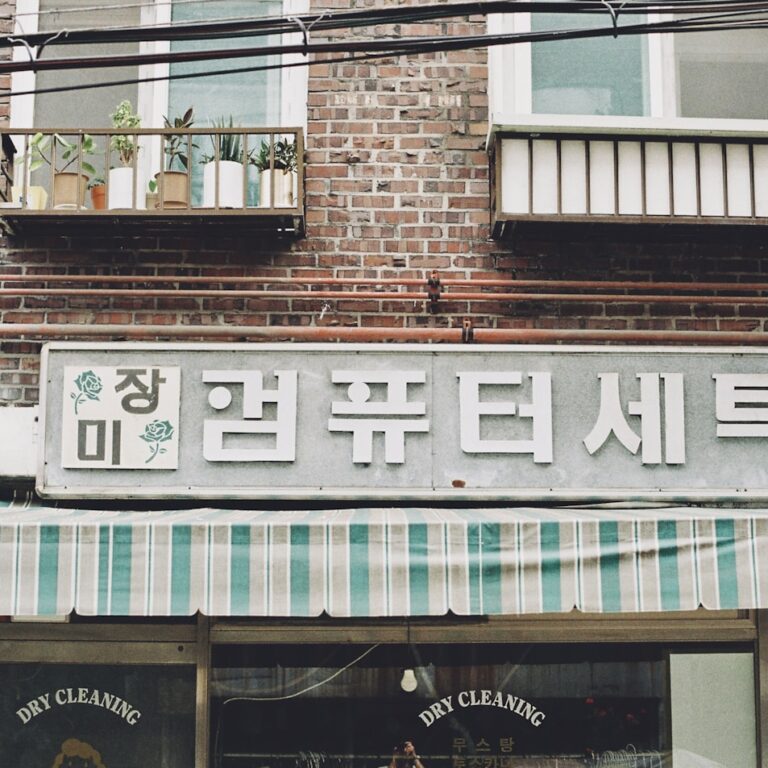
Stores in Seongsu-dong can disappear a week after they open — on purpose. How a Seoul shoe-factory district became a pop-up capital that updates like a social-media feed, and why that speed might be the thing that eventually kills it.
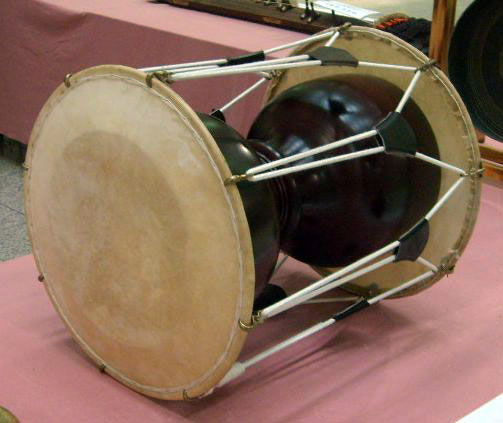
Kim Soo-chul was a 1980s Korean pop star who sold his first gugak album at 575 copies, went into debt, and kept pouring hit-song money into Korean traditional music for 40 years.
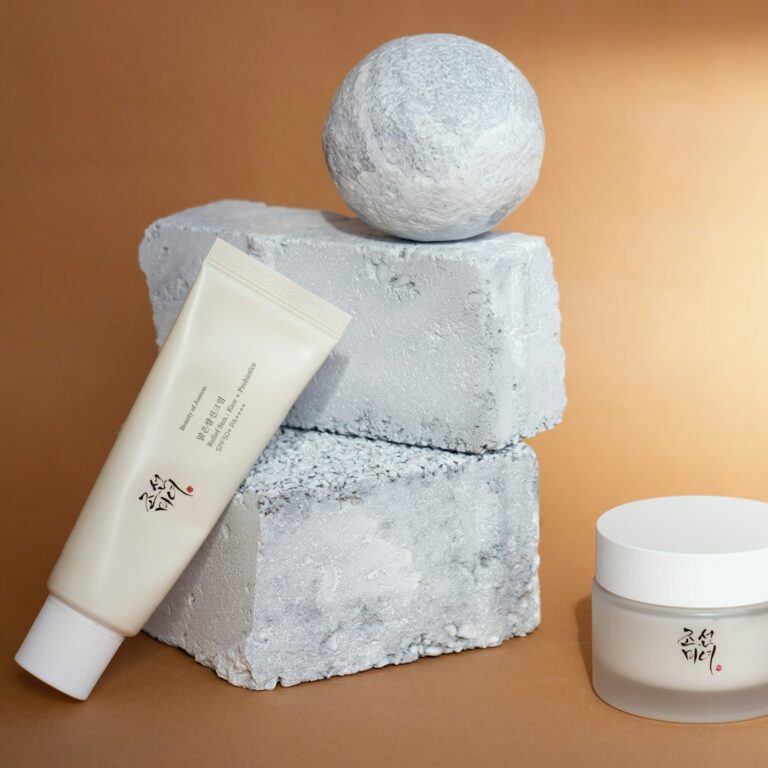
From MISSHA’s ultra-cheap cosmetics to Hwahae, Korean ODM giants, cushion foundation, Olive Young, K-pop and TikTok, here is the real story of how K-beauty became a global phenomenon.