The Slow Death of Baekban, Korea’s Everyday Feast
Baekban was never “cheap food.” It was a surprisingly luxurious meal made possible by cheap ingredients, cheap labor and a culture that treated extra side dishes as hospitality rather than inventory.
Walk into an old Korean neighborhood restaurant and order baekban. The word literally points toward a plain rice meal, which is misleading in the way “continental breakfast” can be misleading.
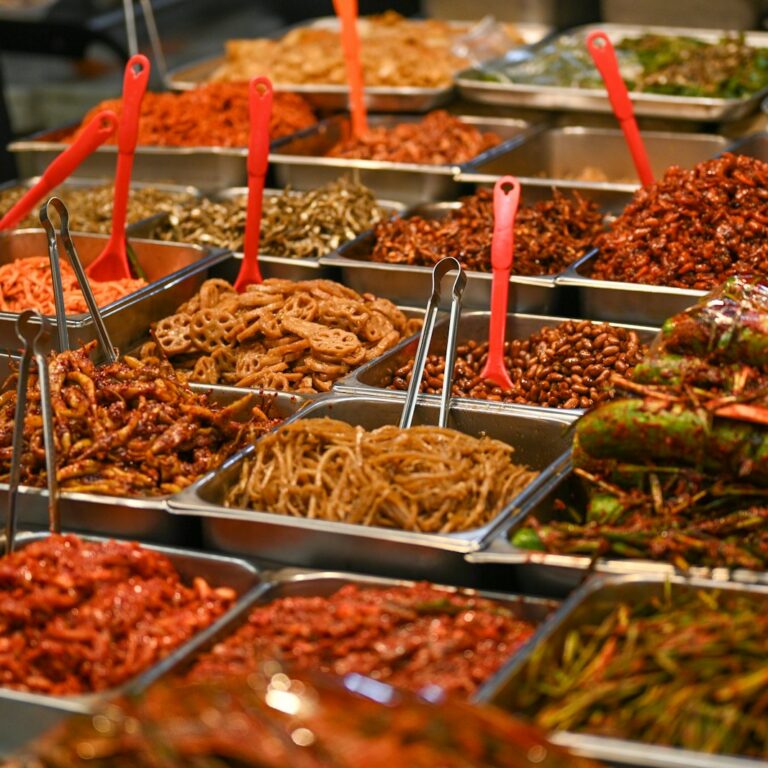
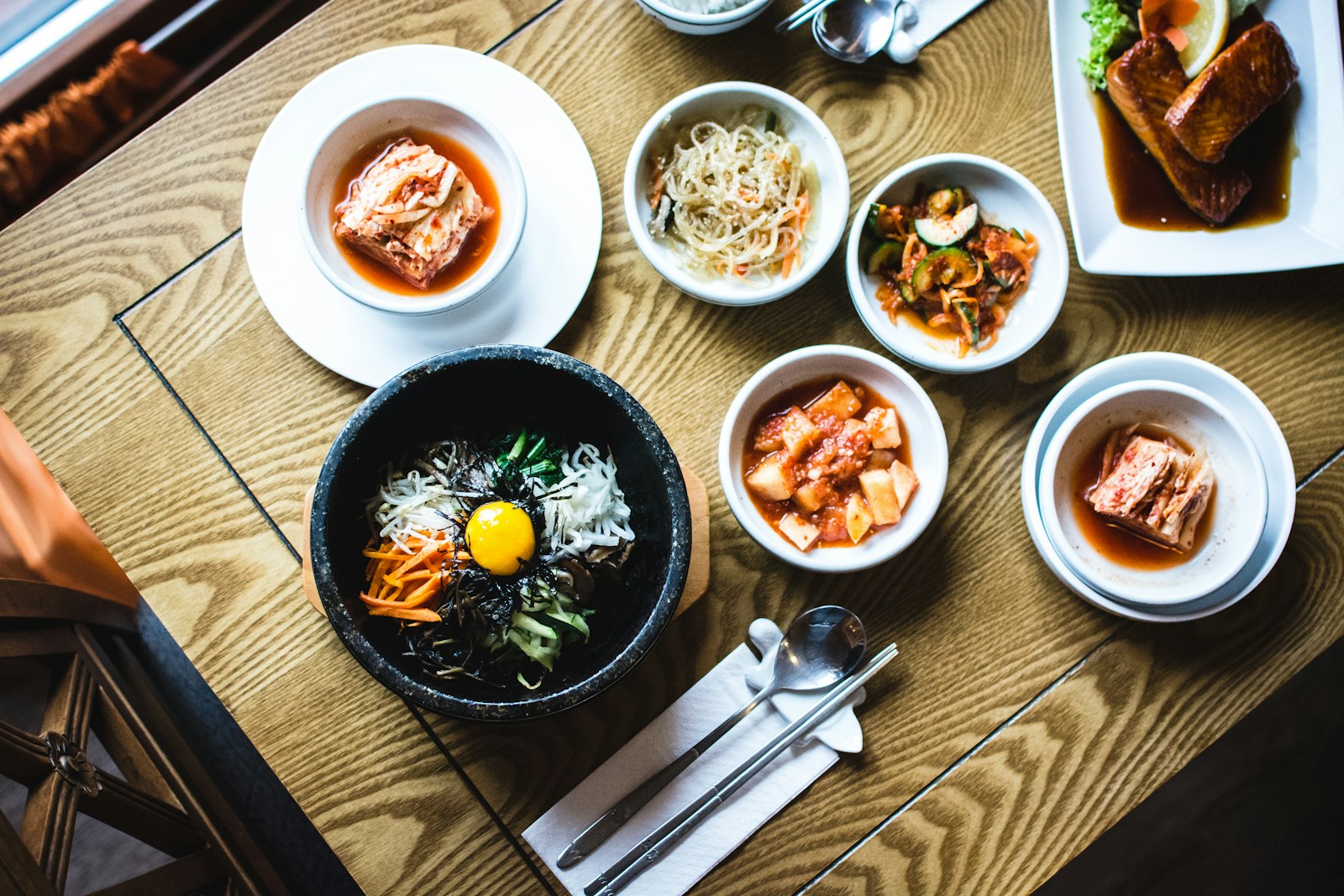
Rice arrives. Soup arrives. Kimchi arrives. Then small plates begin landing: seasoned vegetables, anchovies, fish cake, egg, perhaps grilled fish, perhaps pork, perhaps whatever the owner bought at the market that morning.
You may not know exactly what you ordered until the table is full.
For a foreign visitor, this can look astonishingly generous.
A Korean looks at the menu and asks, “Wait, baekban is 12,000 won now?”
That reaction tells you almost the whole story.
Baekban got trapped by its own reputation
Koreans remember baekban as ordinary workers’ food: filling, varied and affordable. That memory became a kind of cultural price ceiling. A pasta can cost 18,000 won. A brunch plate can cost 22,000. A carefully plated rice bowl can be 16,000.
But if baekban crosses a certain psychological line, customers feel betrayed.
This is odd when you count the labor.
Wash rice. Cook soup. Season vegetables. Fry anchovies. Grill fish. Slice kimchi. Make another side dish. Set five or seven small plates. Clear five or seven small plates. Wash five or seven small plates.
Baekban is operationally inefficient in the most delicious possible way.
Foreigners discovered banchan just as Koreans began losing it
International diners now recognize the word banchan — Korean side dishes — as one of the most distinctive parts of Korean dining. High-end Korean restaurants abroad may explain each small dish with the seriousness normally reserved for wine.
In Korea, the traditional response was often simpler.
“Could we get more kimchi?”
“Sure.”
No extra charge.
The generosity is culturally beautiful and economically terrifying.
Ingredient costs rise. Wages rise. Rent rises. The number of times a customer refills the kimchi does not politely decline in response.
Why Jeolla tables became legendary
Any discussion of abundant Korean tables eventually reaches Jeolla Province. The region has fertile plains, coastal fisheries, tidal flats, mountains and a deep culinary tradition. Rice, vegetables, seafood, fermented products and mountain ingredients could all meet within a relatively compact region.
Geography matters.
But geography is not enough.
Someone prepared all those dishes.
Historically, ingredients were cheaper relative to income. Family labor was common. Restaurant wages were lower. A great deal of domestic and commercial food labor, especially women’s labor, was underpriced or simply treated as part of family duty.
The legendary abundance of the old Korean table rested partly on natural richness and partly on labor that was very inexpensive.
We remember the abundance.
We are less nostalgic about the wages that made it possible.
Maybe baekban did not become expensive. Maybe it used to be implausibly cheap
This is the uncomfortable reframing.
Rice, soup, six side dishes, fish and handmade kimchi for the price of a modern cafe dessert set is not obviously a natural economic state.
It was a historical arrangement.
As labor becomes more expensive and younger workers avoid punishing kitchen jobs, the arrangement breaks.
The owner can raise prices, reduce side dishes, work longer hours, hire fewer people, simplify the menu or close.
None of these options feels like “preserving tradition.”
Korean buffets are baekban after an operations consultant arrived
One partial successor is the Korean-style buffet, often found near industrial complexes, offices and universities.
The logic is smart. Cook side dishes in volume. Let customers serve themselves. Reduce repeated table service. Offer variety while using labor more efficiently.
It preserves some of baekban’s promise — rice, soup, many side dishes, good value — while removing some of the costly choreography.
It is baekban optimized for throughput.
That is both praise and a small tragedy.
The old meal contained something that was never on the menu
Regular customers at old neighborhood restaurants know the experience.
“The mackerel is good today.”
“Try this kimchi.”
“I made this this morning.”
An extra plate appears.
You did not order it. There is no price next to it. It exists because the owner knows you, or because there was something good in the kitchen, or because Korean hospitality has historically had poor respect for portion-control software.
Modern restaurants are better managed. Portions are standardized. Inventory is measured. POS systems know what sold. Costs are calculated.
“Here, have some more” is an accounting error.
It is also one of the things people miss most.
Do not romanticize the old system too much
The disappearing baekban restaurant was not a perfect institution. Kitchens were hard workplaces. Hours were long. Hygiene varied. Family members often worked without proper compensation. Women’s labor was normalized as endless and available.
A society cannot demand modern wages for itself while demanding 1989 restaurant prices from everyone else.
That is the central contradiction.
Koreans want better working conditions.
They also want the side dishes to remain free.
The arithmetic is unsentimental.
Jeolla cannot remain “cheap and generous” forever either
Visitors to Gwangju, Jeonju or smaller towns in the southwest can still find tables that seem improbably generous compared with Seoul. The region’s food supply, culinary culture and lower operating costs can help.
But “It’s amazing how much they give you for this price” contains a hidden challenge.
Somebody has to survive at that price.
A food culture does not live in a museum. Restaurant owners need to pay rent. Workers need wages. Farmers and fishers need to be paid. Children of restaurant families need a reason not to choose a different career.
If preserving regional food requires somebody to remain underpaid, the preservation plan is not very sustainable.
Korean food is becoming premium abroad while everyday Korean food struggles at home
This may be the sharpest irony.
Korean cuisine has Michelin-starred restaurants abroad. Banchan is fashionable. Fermentation is sophisticated. Korean chefs explain regional ingredients to international diners willing to pay premium prices.
Meanwhile, a neighborhood baekban shop in Korea can struggle to charge the price of a Western brunch.
Korean food has gained international permission to be expensive.
Korean consumers have not always granted the same permission to the Korean food they grew up with.
Baekban may survive by becoming what it never wanted to be
Imagine the same meal reframed for an international audience.
Seasonal greens.
House-fermented kimchi.
Grilled local fish.
Artisanal soybean stew.
Five small plates served on handmade ceramics.
Call it a “Korean seasonal tasting set” and suddenly the price can triple.
This is funny until you realize it may be one way the cuisine survives.
Foods often become heritage only after the economic conditions that produced them disappear.
What Koreans miss may be more than the food
Baekban represents a world in which the owner could give one more plate without entering it into a system. A meal could vary with the market. Value could be expressed through abundance rather than branding.
That world was inefficient. It was also warm.
So the next time an old restaurant charges 12,000 won for a table crowded with dishes, the first reaction may still be, “It used to be cheaper.”
Fair enough.
The second thought might be more interesting.
Perhaps baekban is not becoming expensive.
Perhaps Korea spent decades eating somebody’s time far too cheaply.