
Why Do Korean Restaurants Serve Banchan for Free?
From a bottle of makgeolli served with blood soup and four side dishes to seasonal greens, refills and food waste: why banchan exists to complete rice.
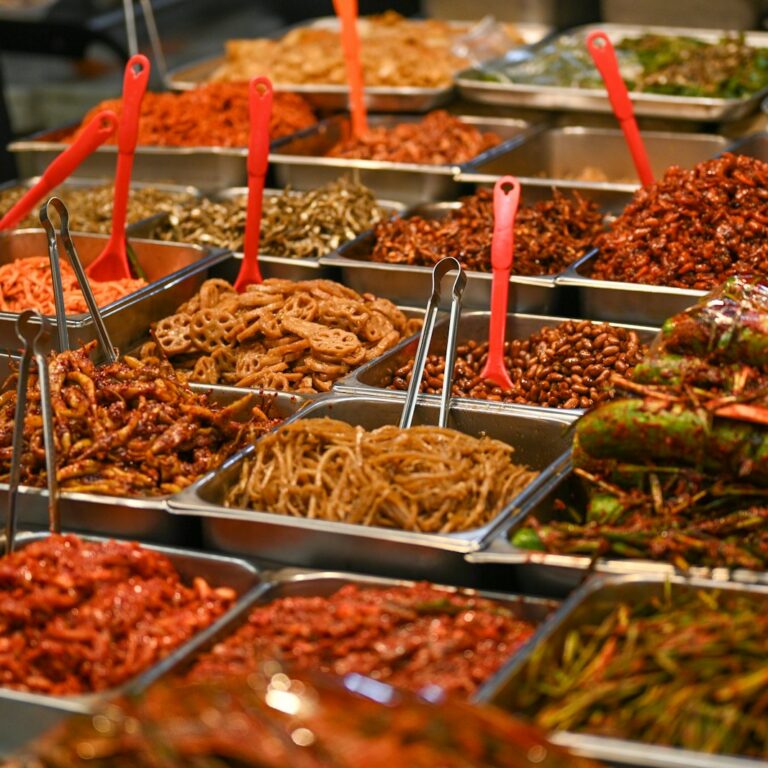
From a bottle of makgeolli served with blood soup and four side dishes to seasonal greens, refills and food waste: why banchan exists to complete rice.

Cancer copays, childbirth benefits, dementia care, American medical bills and Western wait lists: how Korean health insurance works—and where it falls short.
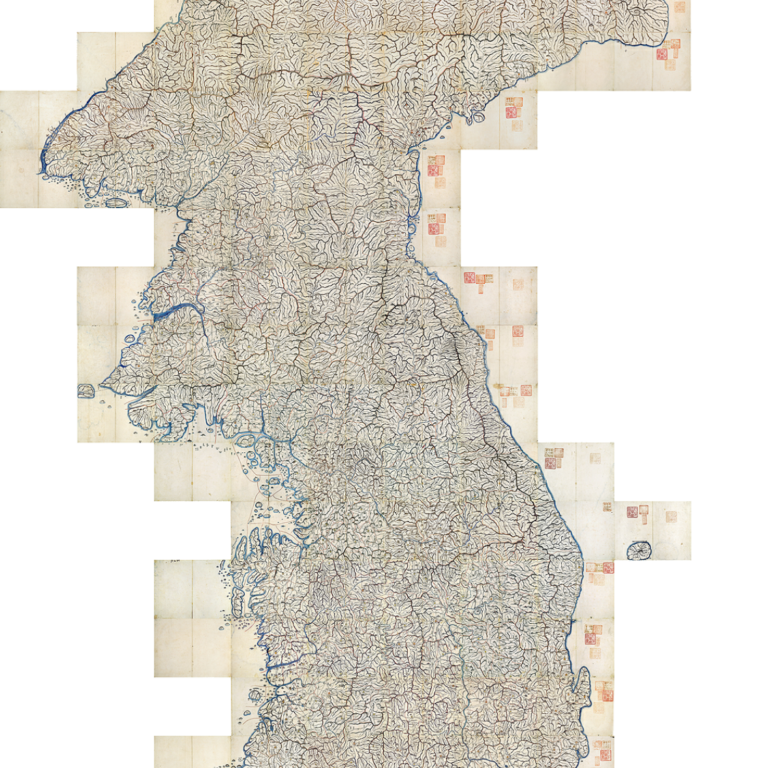
Google spent nearly twenty years asking South Korea for its detailed map data, and kept being refused. The story runs from a 6.7-metre woodblock map printed in 1861 to a 2026 government decision — and it was never really about roads.
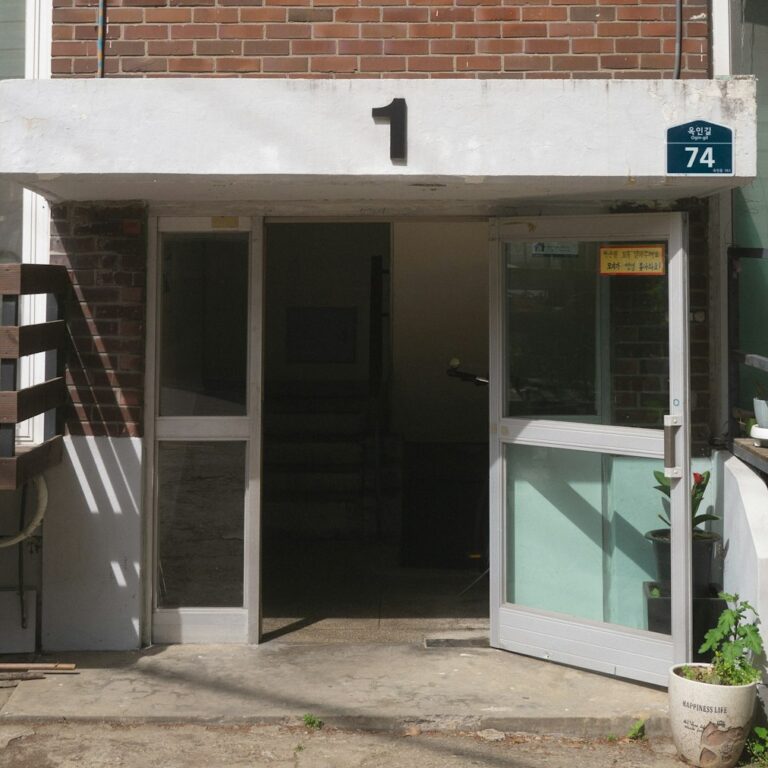
Jeonse turned Korean tenants into their landlords’ bank — a housing-finance system that worked brilliantly until it didn’t. Why more than 40,000 people became jeonse-fraud victims, and what it reveals about the global housing crisis.
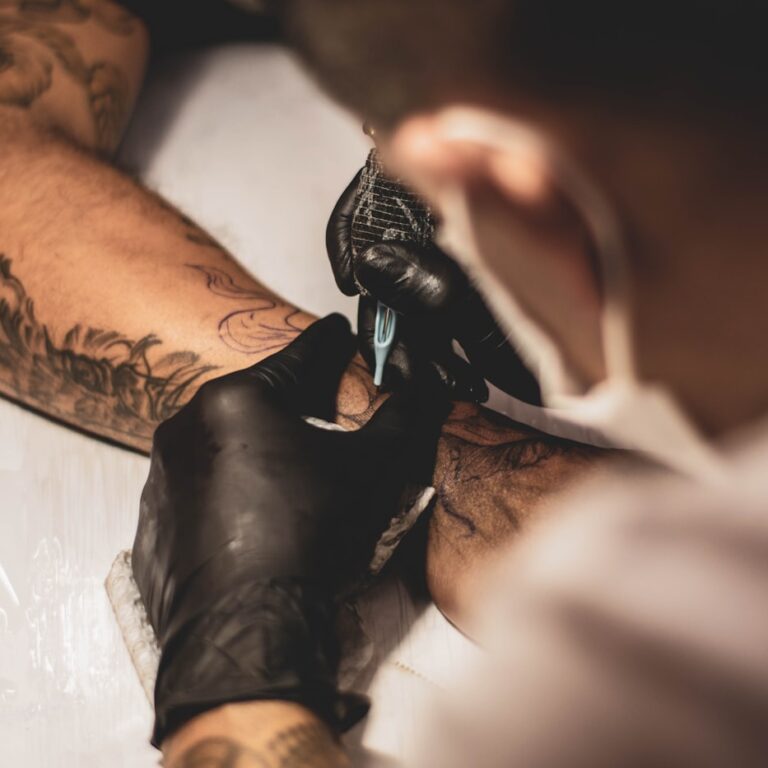
A tattoo once got a Korean man sent to a labor camp. In May 2026 the Supreme Court finally ruled tattooing by non-doctors legal. The 46-year journey from criminal mark to K-pop fashion, and why Korea took so long to catch up.
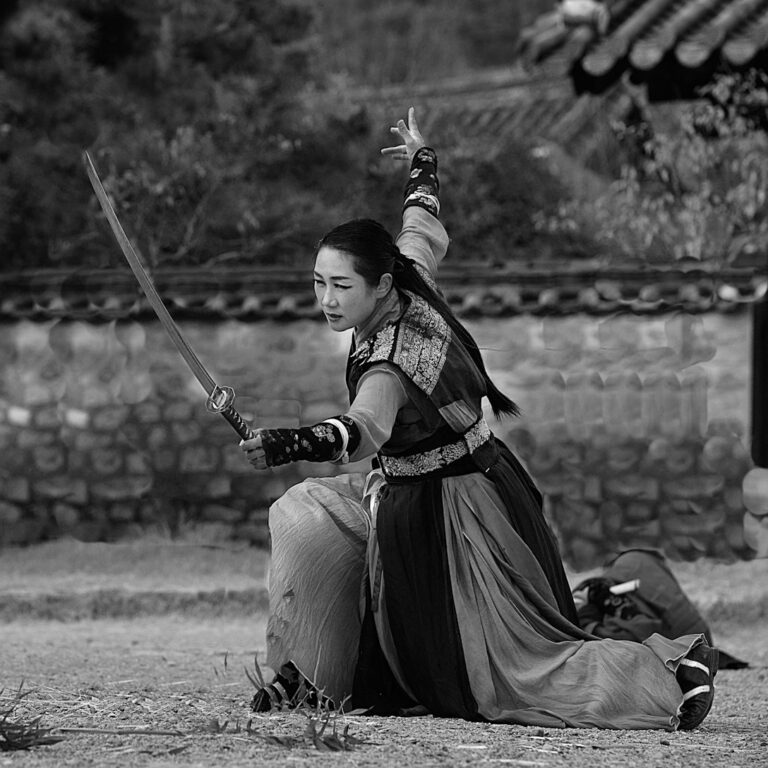
Korean shamanism is cool again on screen, from K-dramas to KPop Demon Hunters. But when a real fortune teller got too close to presidential power, the country turned furious. Why Korea can love shamanism and fear it at the same time.
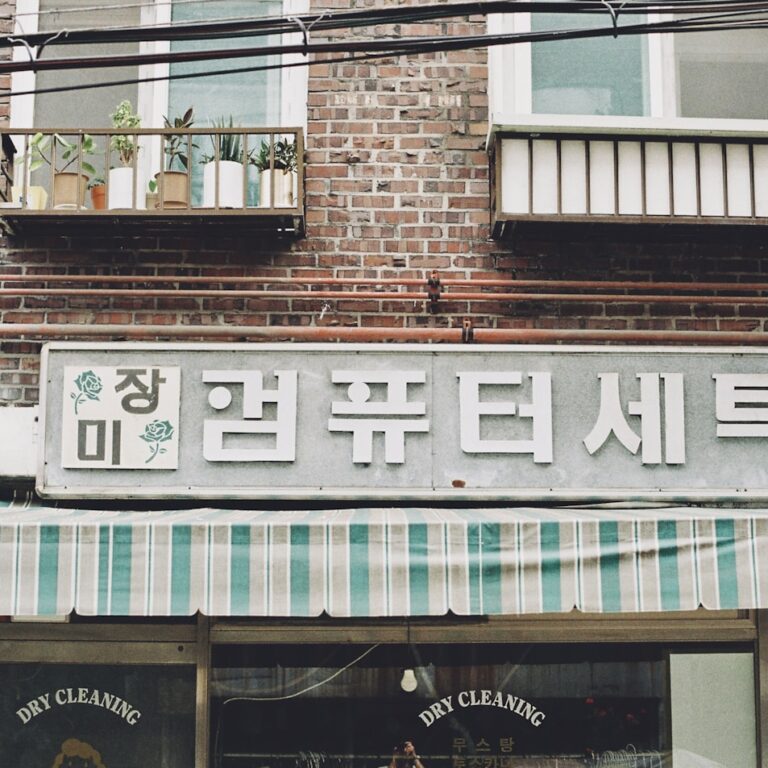
Stores in Seongsu-dong can disappear a week after they open — on purpose. How a Seoul shoe-factory district became a pop-up capital that updates like a social-media feed, and why that speed might be the thing that eventually kills it.
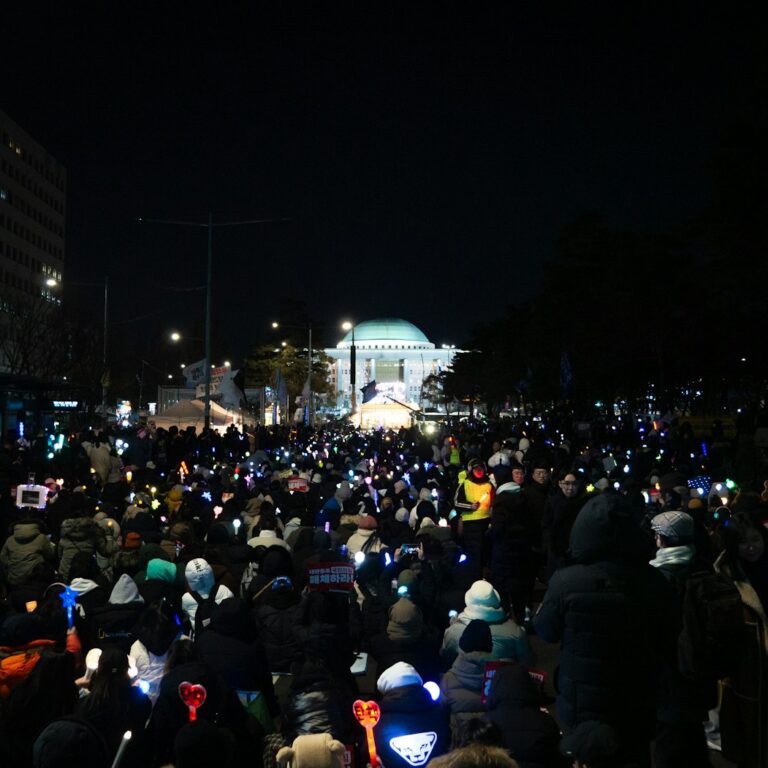
Every modern Korean president’s story ends badly, and every generation keeps returning to the street — armed, most recently, with K-pop light sticks instead of Molotov cocktails. What Korea’s compressed, noisy 39-year-old democracy reveals about itself.
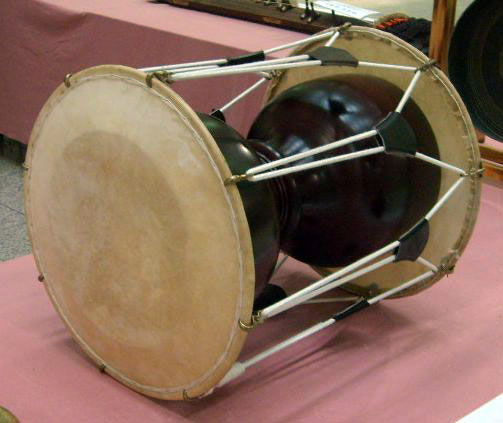
Kim Soo-chul was a 1980s Korean pop star who sold his first gugak album at 575 copies, went into debt, and kept pouring hit-song money into Korean traditional music for 40 years.

A cute face, vampire fangs, and a scream that sounds human. The Korean water deer is globally vulnerable — and so common in Korea that farmers curse it.